
A practical ownership guide to the parts that wear on an Onan 4500 generator, how to troubleshoot common symptoms, why genuine parts matter, and how repair costs are actually built up — without invented prices or intervals.
An Onan 4500 generator is a working machine, and like any engine-driven unit it asks for three things: the right parts, service done in the right order, and a realistic idea of what repairs cost. This guide covers which components actually wear, how to read common symptoms, how to tell genuine Onan parts from cheap lookalikes, and how a repair bill is put together — so you can budget instead of guessing.
A quick note on sourcing: Jiangsu Qingzhiteng Power Equipment Co., Ltd does not sell Onan portables or their spare parts, and we do not quote repair prices. For part numbers and service intervals, the authoritative source is Cummins' official operator manual and parts documentation for your specific model. Use this article to understand the maintenance picture, then confirm numbers with an authorized service provider or Cummins support.
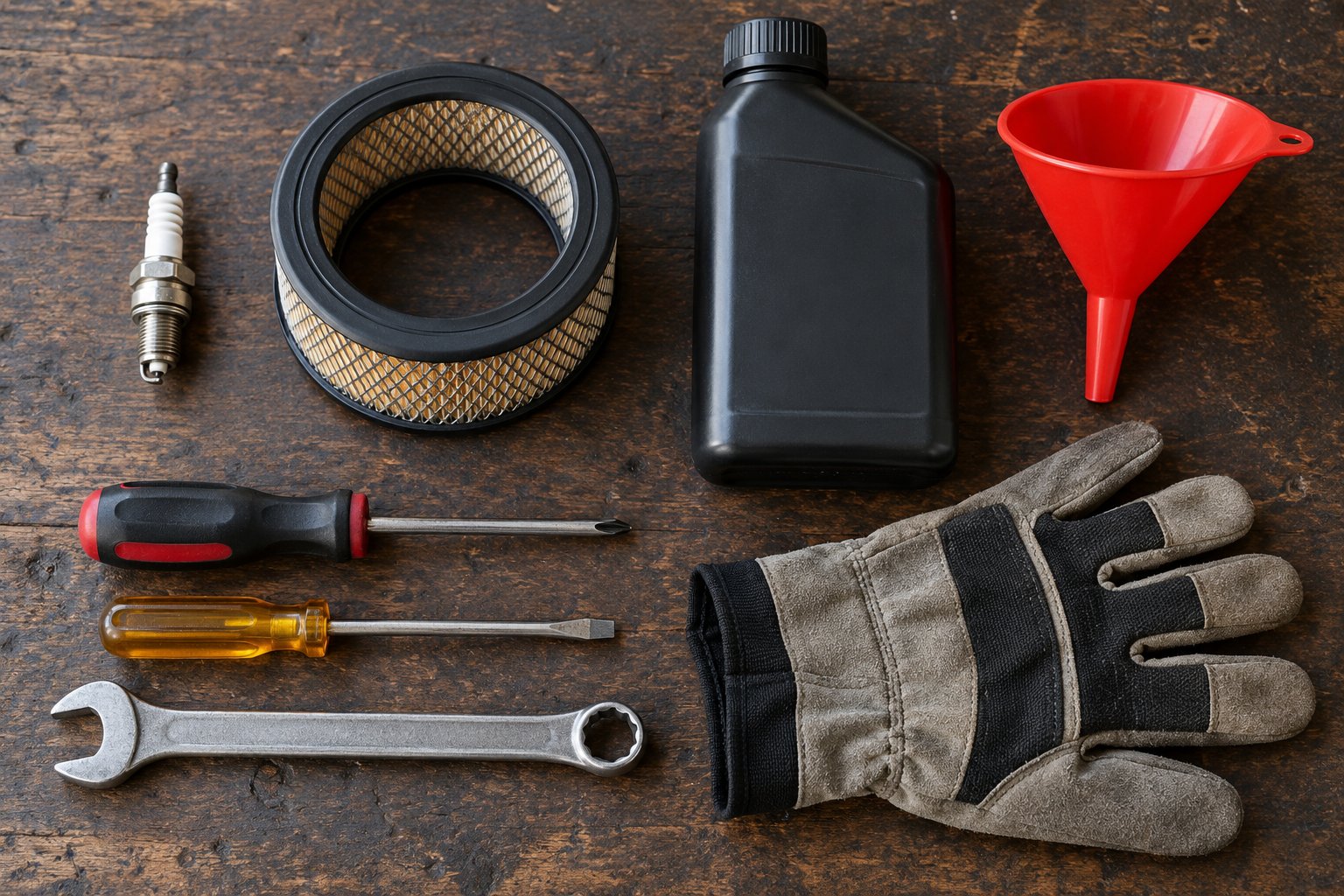
- Wear items cluster in three systems: lubrication (oil, filter), air and fuel delivery (air filter, carburetor, fuel lines), and ignition/electrical (spark plug, battery, starter).
- Seals and gaskets age out even on low-hour units — sitting idle is not the same as being in good condition.
- Genuine Onan parts protect fit, fuel metering and warranty standing; aftermarket parts vary widely in quality.
- Repair cost depends on region, dealer, part availability and labor — there is no single global figure. Ask for an itemized quote.
- Some repairs make sense, others don't. The tipping point is usually the cost of the repair versus the value of the unit, not the symptom itself.
Which parts wear, and why
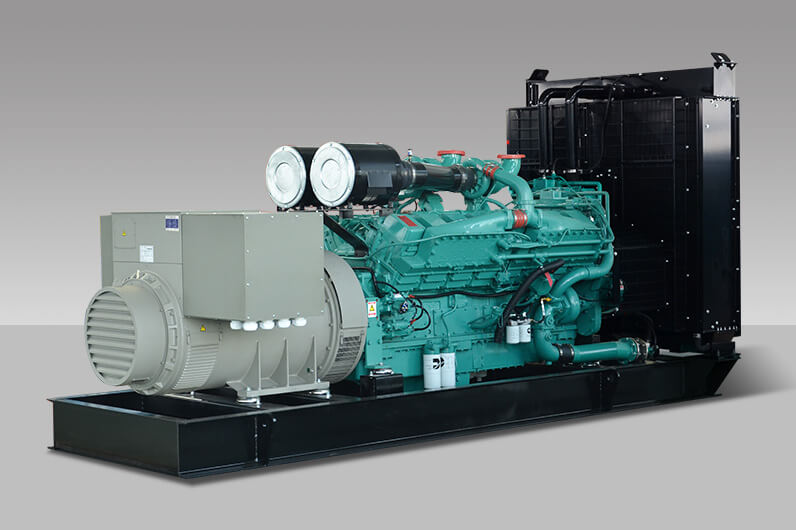
An Onan 4500-series portable such as the P4500i runs a 224 cc gasoline engine, per Cummins' official materials. The wear pattern that follows from that design is predictable, and it falls into three systems.
Lubrication: engine oil and filter
Oil is the first thing to degrade. Combustion by-products, condensation from short run cycles, and heat all break down the additive package. The filter captures the solids that oil carries, and once it loads up, dirty oil recirculates. These two items are the backbone of any service plan, and the correct oil grade plus the change interval come from your model's operator manual — not from a general rule of thumb.
Air and fuel delivery: air filter, carburetor, fuel system
The air filter is a consumable. In dusty job-site or storm-season use it loads quickly; in clean indoor storage it lasts longer but still ages. The carburetor sits downstream of the fuel supply, and it is where the most common running complaints originate: stale gasoline leaves varnish in the float bowl and jets, ethanol-blended fuel attracts moisture, and small passages clog. Fuel lines, filters and the petcock are part of the same system and should be inspected alongside the carburetor rather than treated as separate issues.
Ignition and electrical: spark plug, battery, starter
The spark plug erodes at the electrode and can foul from rich running or oil consumption. On electric-start models, the battery is a wear item even when the generator is used rarely — it self-discharges, sulfates, and eventually will not hold a charge. Starter circuits, solenoids and connections also corrode over time, especially on units stored in humid or coastal environments.
Seals and gaskets
Rubber seals, gaskets and O-rings harden and shrink with age, heat cycles and fuel exposure. A unit that has sat for a season can leak oil or fuel where a high-hour unit would not. This is why "low hours" and "ready to run" are not the same claim — an inspection should cover seals as well as mechanical wear.
Symptom-based troubleshooting
Work from the least invasive check to the most invasive. The table below lists the typical causes to verify first and the action that follows — confirm all part numbers and torque/spec details against your model's manual before disassembly.
| Symptom | Likely cause to check | Action |
|---|---|---|
| Won't start (cranks but does not fire) | Fuel reaching the carburetor, stale or contaminated fuel, fouled or worn spark plug, blocked air filter, safety interlocks | Verify fuel flow at the carburetor, drain and replace old fuel, inspect/replace the plug and air filter, confirm the low-oil shutdown is not latched |
| Runs rough or surges | Partially clogged carburetor jets, dirty air filter, old fuel, loose or dirty fuel lines, spark plug gap | Clean or service the carburetor per the manual, replace the air filter, refresh fuel, check plug condition and gap |
| Shuts down under load | Low oil level or faulty oil-level sensor, restricted fuel supply, overloaded circuit, air filter restriction, overheating | Check oil level and sensor function, confirm the load does not exceed the unit's rating, inspect fuel delivery and cooling airflow |
| No AC output (engine runs) | Tripped breaker, faulty outlet or wiring, brush/AVR or winding issue, GFCI trip | Test outlets and breakers, verify with a meter at the receptacle, and hand winding or AVR diagnosis to an authorized service technician |
Two disciplines matter here. First, do not replace parts on suspicion — test the circuit or component first. Second, once a symptom points to internal engine, winding or fuel-system work beyond cleaning, the job moves from owner maintenance to authorized service. The manual defines that boundary for your model.
Genuine vs. aftermarket parts
The gap between a genuine Onan part and a bargain replacement is rarely visible in a photo. What differs is fit, material and fuel-metering calibration. A carburetor with slightly different jetting can run lean or rich, and the symptom may only appear under load or after weeks of use. Aftermarket ignition parts may fit but fail early; gasket material may not tolerate ethanol-blended fuel the way the original does.
Practical guidance:
- Verify part numbers against Cummins' official parts documentation for your model and serial range — numbers change across production runs.
- Be cautious with no-name carburetors and electrical parts, where calibration and insulation quality matter most.
- Keep receipts and part numbers for any repair done during a warranty period; non-approved parts can affect coverage.
- Ask the seller what standard the part is made to if it is not genuine. A legitimate supplier can answer; a vague one cannot.
How repair cost is actually built up
There is no single "Onan 4500 repair cost" because the number is assembled from variables that change by location and situation:
- Parts. A spark plug or air filter is inexpensive and widely stocked. A carburetor, starter or AVR is a higher-tier part, and genuine units generally cost more than aftermarket equivalents.
- Labor. Dealer labor rates vary significantly by region and by shop type — a small engine shop, an RV dealership and a Cummins-authorized service center are not priced the same, and their diagnostic depth differs.
- Availability. A part in stock ships the same day. A discontinued or back-ordered part adds waiting time and sometimes shipping cost, and may push a shop toward a substitute.
- Diagnostic time. Intermittent faults — a shutdown only under load, for example — take longer to isolate than a no-start. That time appears on the invoice.
- Shipping and handling. Remote locations and cross-border parts orders add cost that is not visible in the part price itself.
Because of this, the only reliable way to budget is to request an itemized quote from an authorized service provider: parts, part numbers, labor hours, diagnostic fee and any shipping listed separately. That structure also lets you compare two quotes fairly and decide whether a repair is worth doing. Avoid any repair quote that is a single lump sum with no breakdown.
When repair is not economical
The decision is not about how expensive the repair feels — it is about what you get for the money. Repair tends to stop making sense when:
- The repair cost approaches a large fraction of a comparable new unit's price, and the machine has other aging systems (seals, wiring, tank condition) that will fail next.
- Key parts are discontinued, forcing a chain of substitutes that each introduce new failure points.
- The unit is needed for critical backup duty — a home medical device, a business, storm response — where reliability matters more than the lowest possible spend.
- Multiple systems are involved at once: fuel, ignition and output, rather than a single wear item.
Conversely, a unit in otherwise good condition with one failed wear item — a carburetor, a starter, a plug and filter service — is usually worth repairing, provided genuine or reputable parts are available. Get the itemized quote first; it turns a feeling into a comparison.
If you are evaluating new capacity rather than repairing an existing portable, Jiangsu Qingzhiteng Power Equipment Co., Ltd supplies Cummins-powered generator sets. You can review the range in our Cummins-powered generator lineup, compare quieter configurations in the silent-type generator series, or look at marine-duty packages in the Cummins marine series.
Safety notes
- Never run a gasoline generator indoors or in any enclosed space, including a garage or partially closed shed. Carbon monoxide is odorless and lethal.
- Let the engine cool before draining oil or working near the exhaust and muffler.
- Disconnect the battery and remove the spark plug boot before working on the electrical or ignition system, and never touch output terminals while the unit is running.
- Store fuel properly and treat or drain it for long-term storage; stale fuel is the single most common cause of carburetor problems.
- Do not bypass safety interlocks such as low-oil shutdown to make a unit run. They exist to prevent engine damage.
- Work within your ability. Fuel-system cleaning, plug and filter changes are owner-level tasks. Internal engine, winding and AVR repair are not.
FAQ
How do I know if my Onan 4500 generator needs a new carburetor?
First rule out the cheaper causes: old or contaminated fuel, a clogged air filter, a fouled spark plug, and a restricted fuel line or filter. If the unit still runs rough, surges or refuses to start after those are corrected, the carburetor is the likely next step. In many cases the carburetor can be cleaned and rebuilt rather than replaced — the manual and a qualified technician can tell you which applies to your unit. Genuine replacement or rebuild parts should be matched by part number to your specific model.
How much does an Onan 4500 generator repair normally cost?
There is no fixed figure. The total depends on which part failed, whether it is genuine or aftermarket, your region, the labor rate of the shop you use, part availability, and shipping if the part must be ordered. A plug-and-filter service and a starter replacement are in completely different cost brackets. The practical approach is to ask an authorized service provider for an itemized quote showing parts, part numbers, labor hours, diagnostic fee and shipping separately, then compare quotes on that basis.
Can I use aftermarket Onan 4500 generator parts?
Aftermarket parts exist for many common items, and some are acceptable for non-critical uses. The risk is highest for carburetors, ignition components and electrical parts, where calibration and material quality affect how the engine runs and how long the part lasts. During a warranty period especially, non-approved parts can complicate coverage. Where fit and fuel metering matter, genuine parts matched to your model's part number are the safer choice.
Where can I find the correct part numbers and service intervals?
From Cummins' official operator manual and parts documentation for your specific Onan model and serial range. Those documents are the authoritative source for oil grade, service intervals, part numbers and torque specifications. This article deliberately avoids quoting intervals or prices because they vary by model, region and time — your manual and your service provider have the accurate figures.
Does Jiangsu Qingzhiteng Power Equipment Co., Ltd supply Onan portable parts or repairs?
No. We do not sell Onan portables, their spare parts, or repair services, and we do not quote repair prices. Our business is Cummins-powered generator sets for industrial, commercial and marine applications. For Onan parts and service, contact Cummins support or an authorized Onan service provider.
Owning an Onan 4500 generator comes down to a simple routine: keep the oil, air and fuel clean, replace wear items on schedule per the manual, use genuine parts where it counts, and get itemized quotes before authorizing repair work. That routine is what separates a unit that starts on the first pull from one that becomes a project. When the time comes to add or replace generating capacity rather than repair it, our Cummins-powered generator sets are worth a look.